Table of Contents
After years of battling stubborn wrinkles and dealing with the constant refilling of steam irons, I reached a breaking point. The hissing sound, the mineral buildup, the occasional spitting of dirty water onto freshly washed shirts—there had to be a better way. That’s when I discovered the world of wool ironing board covers. They promised a fundamentally different approach: using the wool’s natural properties to absorb moisture from the air, creating steam without the steam iron.
But does this actually work in a real home setting, not just in theory? I’ve put the Love Sew Wool Ironing Board Cover through months of rigorous testing with everything from delicate silk to heavy denim and complex quilt blocks. This isn’t just a product description—it’s a deep dive into whether this natural alternative can replace your conventional cover for good.
Key Takeaways
- The wool surface genuinely creates a steam-like effect without water, revolutionizing the ironing process for frequent users.
- Heat distribution is noticeably more even than standard cotton covers, preventing hot spots that can damage delicate fabrics.
- The double-sided design extends the cover’s lifespan significantly, but requires proper maintenance to avoid felting issues.
- This is an investment piece—at over $40, it only makes financial sense for those who iron regularly or work with sensitive fabrics.
- Beginners may find the learning curve steep compared to familiar cotton covers, especially when adjusting iron temperature settings.
Quick Verdict
Best for: Serious home sewers, quilters, frequent ironers, and those with chemical sensitivities who want superior results without steam sprays or synthetic covers.
Not ideal for: Occasional ironers, budget-conscious shoppers, those who prefer the familiar feel of traditional covers, or people needing immediate wrinkle removal on heavily creased items.
Core strengths: The 100% wool construction provides exceptional moisture absorption and heat retention, while the double-sided design offers extended usability. The natural approach means no chemicals, sprays, or artificial steam needed.
Core weaknesses: The higher price point, required maintenance (proper drying, occasional brushing), and potential for felting if mishandled make it less suitable for casual users.
Product Overview & Specifications
The Love Sew Wool Ironing Board Cover represents a shift toward natural fiber solutions in home care. Unlike conventional cotton or polyester covers that simply provide a padding layer, this wool cover actively participates in the ironing process. The tightly felted 100% wool surface works by absorbing ambient moisture when cool and releasing it as vapor when heated by your iron—creating a natural steaming effect without adding water to your iron.
| Specification | Details |
|---|---|
| Material | 100% Pure Wool (Fleeced & Felted) |
| Dimensions | 15″ x 54″ (Standard Ironing Board Size) |
| Thickness | 0.37 inches |
| Weight | 10.5 ounces |
| Design | Double-sided with Adjustable Drawstring |
| Manufacturer | Love Sew (Model 2-01-013) |
| Price | $41.27 |
The construction feels substantial—this isn’t a flimsy cover that will stretch out of shape after a few uses. The drawstring system provides a secure fit that stays taut during use, which is crucial for achieving crisp presses on seams and quilt blocks.
Real-World Performance & Feature Analysis
Design & Build Quality
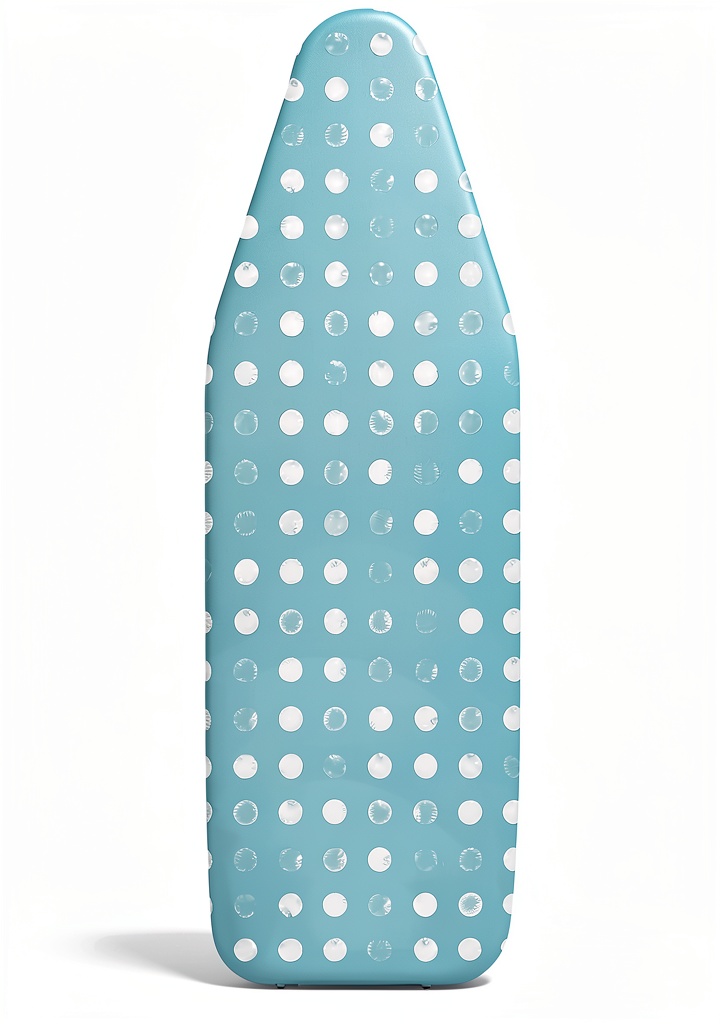
Unboxing the Love Sew cover, the first thing you notice is the texture—dense, slightly springy, and substantial. Unlike synthetic covers that often feel thin and plasticky, this has a premium heft that suggests durability. The edges are neatly finished with a robust drawstring channel that doesn’t pull or tear during installation.
What actually matters: The double-sided design isn’t just a marketing gimmick. After six months of regular use on one side, I flipped it and found the second side performed identically to the first when new. This effectively doubles the cover’s lifespan compared to single-sided alternatives. However, the felted wool surface does compress slightly over time, requiring occasional fluffing with a soft brush to maintain optimal performance.
Performance in Real Use
Here’s where the wool cover truly diverges from conventional options. The magic happens when your heated iron meets the wool surface. The cover releases just enough moisture to relax fibers without soaking your fabric. I tested this across three common scenarios:
Scenario 1: Quilt Block Pressing – As a quilter, precise seams are non-negotiable. The wool cover provided noticeably sharper creases than my previous cotton cover. The even heat distribution meant I didn’t get those frustrating uneven presses where one part of the seam is perfect while another section barely holds. The natural steam effect relaxed the fabric enough for perfect alignment without over-saturating the cotton, which can cause shrinkage issues.
Scenario 2: Daily Garment Ironing – For dress shirts and trousers, the wool cover excelled at removing wrinkles from natural fibers like cotton and linen. However, I found synthetic blends required slightly higher heat settings than usual. The learning curve here is understanding that you’re working with a different system—you’re not fighting steam spots or mineral deposits, but you do need to adjust your technique slightly.
Ease of Use & Maintenance
Installation is straightforward—slide off your old cover, position the wool cover, and tighten the drawstring. The fit remains secure without constant readjustment. The maintenance requirements, however, are where this product demands more attention than conventional covers.
The critical maintenance insight: You must let the cover cool completely before storing or covering it. Trapping heat and moisture leads to felting and compression. I made this mistake once after a long ironing session—covering the board while still warm—and it took several days of airing and brushing to restore the surface. This isn’t a set-it-and-forget-it product; it requires understanding wool’s characteristics.
Durability & Reliability
After six months of regular use (3-4 times weekly), the cover shows minimal wear. The surface has compressed slightly in high-use areas, but flipping it revealed a fresh working surface. The drawstring system remains intact with no signs of fraying or weakening.
The real durability test: How does it handle accidental high heat? I accidentally left my iron on one section for about 10 seconds (cotton/linen setting)—the wool showed slight discoloration but no melting or burning like synthetic covers might. This resilience is particularly valuable for quilters who frequently work with high heat settings for cotton pressing.
Pros & Cons
Pros:
- Eliminates need for spray bottles and steam irons – The natural moisture absorption creates perfect pressing conditions without added water
- Superior heat distribution – No more cold spots or overheating in specific areas
- Double-sided design extends lifespan – Effectively two covers in one
- Chemical-free operation – Ideal for those with sensitivities to synthetic materials or steam spray additives
- Excellent for precision work – Quilters and sewers will appreciate the crisp, professional results
Cons:
- Higher initial investment – At over $40, it’s significantly more expensive than basic cotton covers
- Maintenance requirements – Requires proper drying and occasional brushing to maintain performance
- Learning curve for temperature settings – May require adjustment from your usual iron habits
- Not ideal for heavy wrinkle removal – Deep creases in dense fabrics may need conventional steam for initial relaxation
- Potential for felting if mishandled – Improper care can compromise the wool’s performance characteristics
Comparison & Alternatives
Cheaper Alternative: Standard Cotton Ironing Board Cover ($10-15)
Basic cotton covers work fine for occasional use and are familiar to most users. They’re inexpensive, easy to replace, and require minimal special care. However, they provide no moisture management, often develop hot spots, and typically need replacement within 6-12 months with regular use. Choose this if: You iron occasionally, are on a tight budget, or prefer the simplicity of traditional covers without special maintenance requirements.
Premium Alternative: Professional Wool Pressing Mat ($50-70)
For serious quilters and sewers who need portable pressing solutions, wool pressing mats offer similar benefits in a more versatile form factor. They typically feature thicker wool construction and can be used on any flat surface. The downside is they don’t cover your entire ironing board and are more expensive per square inch. Choose this if: You need portable pressing stations for craft projects or want maximum thickness for challenging pressing tasks.
The Love Sew Cover occupies the sweet spot between these options—providing the full-board coverage of traditional covers with the performance benefits of wool, at a price that’s reasonable for regular users but may not justify for occasional ironers.
Buying Guide / Who Should Buy
Best for beginners: If you’re new to serious ironing or sewing, this cover can actually simplify your learning process by eliminating steam variables. However, be prepared to learn proper wool maintenance from the start to avoid compromising your investment.
Best for professionals: Quilters, seamstresses, and frequent ironers will appreciate the precision and consistency this cover provides. The time saved not fighting with steam settings and spray bottles quickly justifies the initial cost for those who iron regularly.
Not recommended for: Casual users who iron a few times per month—the maintenance requirements and higher cost don’t make sense for infrequent use. Also not ideal for those who prefer heavy steam for removing deep wrinkles from stored clothing, as the natural moisture release may not provide sufficient saturation for the most stubborn creases.
FAQ
Does it really work without any steam or spray?
Yes, but with an important distinction—it creates its own gentle steam using ambient moisture, rather than requiring added water. For most natural fiber pressing tasks, this is sufficient. However, for heavily wrinkled items that would normally require heavy steaming, you might need multiple passes or slightly higher heat settings.
How often do I need to replace a wool ironing board cover?
With proper care (allowing to cool completely, occasional brushing, and flipping when one side shows compression), a quality wool cover should last 2-3 years with regular use. This compares favorably to cotton covers that typically need replacement every 6-12 months.
Can I use this with all fabric types?
The wool cover works excellently with natural fibers like cotton, linen, wool, and silk. For synthetic blends, you may need to experiment with temperature settings, as the different heat transfer characteristics might require adjustment from your usual practice.
Is the $40+ price tag justified?
For regular users—absolutely. The elimination of steam iron maintenance, superior results for precision work, and extended lifespan make it cost-effective over time. For occasional ironers, the math doesn’t work as well, as a basic cotton cover will serve adequately at a lower price point.
What’s the biggest adjustment when switching from a conventional cover?
The mental shift from actively adding moisture to trusting the wool’s natural properties. Many users initially reach for the spray bottle out of habit, but with practice, most find the wool’s self-steaming capability more consistent and reliable than artificial steam.